
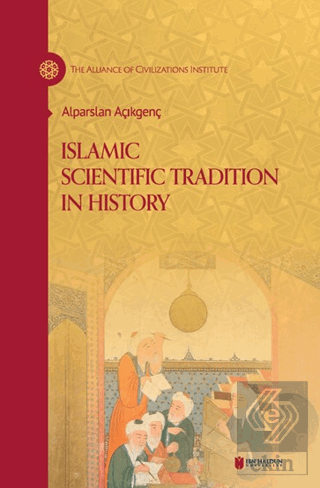

Islamic Scientific Tradition in History traces the intellectual and scientific achievements of Muslim scholars from the time of Revelation to the sixteenth century. Seeking to understand how this tradition awakened and evolved within the broader context of Islamic civilization, Alparslan Açıkgenç develops a historical framework enriched by sociological and philosophical analysis. Rather than offering a mere chronology, he presents the history of science and philosophy in Islam as a dynamic, living process.
Through this approach, Açıkgenç articulates a rigorous methodology for illuminating the Islamic scientific tradition and formulates an epistemology of science that enables a deeper understanding of Islamic science and philosophy. Situating the history of science within its proper historical and civilizational context, this framework allows the Islamic tradition to be understood from within its own worldview while offering a compelling alternative to Eurocentric models of periodization.
Drawing on primary sources, studies of Muslim scholars, and major encyclopaedias, Açıkgenç reexamines the intellectual foundations and historical development of Islamic science. Offering a working definition of science and a robust methodological foundation, Islamic Scientific Tradition in History stands as an indispensable resource for scholars and emerging researchers in the history of science, philosophy, and comparative intellectual studies.
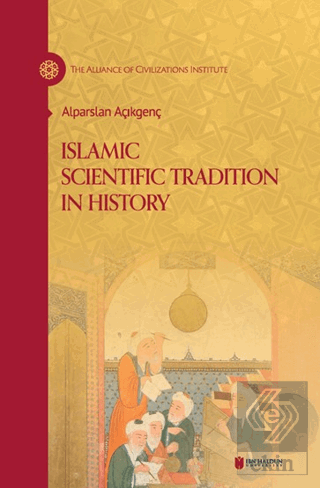
Islamic Scientific Tradition in History traces the intellectual and scientific achievements of Muslim scholars from the time of Revelation to the sixteenth century. Seeking to understand how this tradition awakened and evolved within the broader context of Islamic civilization, Alparslan Açıkgenç develops a historical framework enriched by sociological and philosophical analysis. Rather than offering a mere chronology, he presents the history of science and philosophy in Islam as a dynamic, living process.
Through this approach, Açıkgenç articulates a rigorous methodology for illuminating the Islamic scientific tradition and formulates an epistemology of science that enables a deeper understanding of Islamic science and philosophy. Situating the history of science within its proper historical and civilizational context, this framework allows the Islamic tradition to be understood from within its own worldview while offering a compelling alternative to Eurocentric models of periodization.
Drawing on primary sources, studies of Muslim scholars, and major encyclopaedias, Açıkgenç reexamines the intellectual foundations and historical development of Islamic science. Offering a working definition of science and a robust methodological foundation, Islamic Scientific Tradition in History stands as an indispensable resource for scholars and emerging researchers in the history of science, philosophy, and comparative intellectual studies.
| Taksit Sayısı | Taksit tutarı | Genel Toplam |
|---|---|---|
| Tek Çekim | 1.463,00 | 1.463,00 |
| 2 | 760,76 | 1.521,52 |
| 3 | 526,68 | 1.580,04 |
| Taksit Sayısı | Taksit tutarı | Genel Toplam |
|---|---|---|
| Tek Çekim | 1.463,00 | 1.463,00 |
| 2 | 760,76 | 1.521,52 |
| 3 | 526,68 | 1.580,04 |