
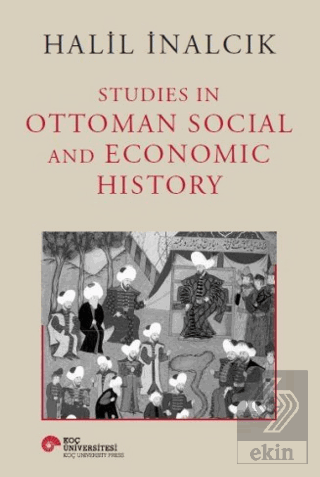
Studies in Ottoman Social and Economic History brings together a selection of Halil İnalcık's most influential essays on the economic, social, and institutional structures of the Ottoman Empire. Originally published in major scholarly journals—largely in the late 1970s and early 1980s—these classic studies are reprinted in a single book that highlights their lasting impact on Ottoman historiography.
Addressing key debates on population, money, and state transformation, İnalcık revisits issues such as demographic structure, the sixteenth-century price revolution, and the debasement of the akça within a broader global context. His reinterpretation of the fiscal and military crises of the late sixteenth century challenges conventional narratives of "decline," emphasizing structural changes in warfare, monetization, and labor.
The volume also offers penetrating studies of agrarian organization, servile labor, large provincial estates, and the central role of the Istanbul bedestan in urban economic life. Marked by methodological rigor and close reading of Ottoman sources, this collection remains an essential reference for scholars and students of Ottoman, Middle Eastern, and economic history.
-
-
-
-
-
-
-
-
%22İNDİRİM1.200,00 936,00
-
-


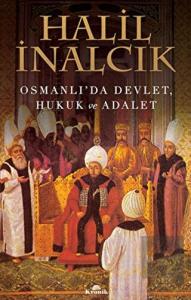
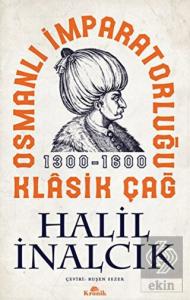
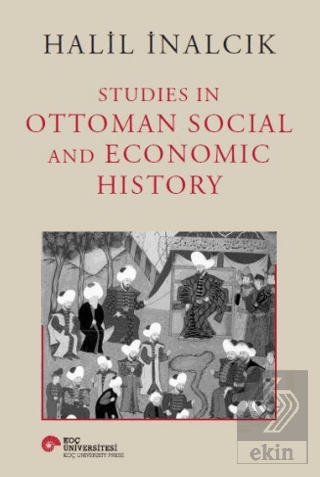
Studies in Ottoman Social and Economic History brings together a selection of Halil İnalcık's most influential essays on the economic, social, and institutional structures of the Ottoman Empire. Originally published in major scholarly journals—largely in the late 1970s and early 1980s—these classic studies are reprinted in a single book that highlights their lasting impact on Ottoman historiography.
Addressing key debates on population, money, and state transformation, İnalcık revisits issues such as demographic structure, the sixteenth-century price revolution, and the debasement of the akça within a broader global context. His reinterpretation of the fiscal and military crises of the late sixteenth century challenges conventional narratives of "decline," emphasizing structural changes in warfare, monetization, and labor.
The volume also offers penetrating studies of agrarian organization, servile labor, large provincial estates, and the central role of the Istanbul bedestan in urban economic life. Marked by methodological rigor and close reading of Ottoman sources, this collection remains an essential reference for scholars and students of Ottoman, Middle Eastern, and economic history.
| Taksit Sayısı | Taksit tutarı | Genel Toplam |
|---|---|---|
| Tek Çekim | 1.120,00 | 1.120,00 |
| 2 | 582,40 | 1.164,80 |
| 3 | 403,20 | 1.209,60 |
| Taksit Sayısı | Taksit tutarı | Genel Toplam |
|---|---|---|
| Tek Çekim | 1.120,00 | 1.120,00 |
| 2 | 582,40 | 1.164,80 |
| 3 | 403,20 | 1.209,60 |
-
%20İNDİRİM450,00 360,00
-
%20İNDİRİM280,00 224,00
-
-
-
-
-
-
-
-
%20İNDİRİM400,00 320,00