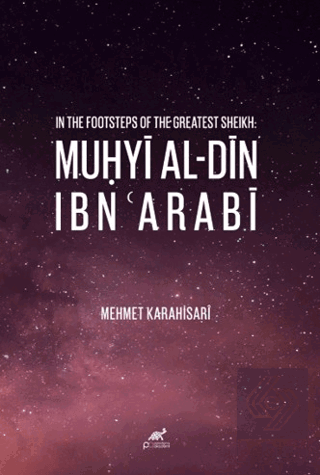
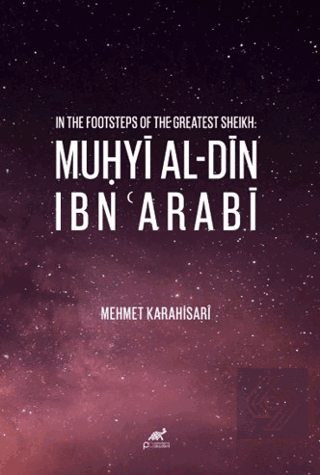
The founder of the Akbariyya order, Mu?yi al-Din Mu?ammad ibn Ali ibn al-Arabi, who left us numerous grandiose works, is undoubtedly still one of the most essential mystical thinkers in the Islamic world. Since Mehmet Karahisari is a member of the Islamic mystical Sufi order (tariqa) QadiriyyaAkbariyya with an orientation towards Uways, this book, written primarily for his students, points out the points that all Muslims in general should bear in mind. This book intends to allow English-speaking readers to learn about Sufism as interpreted by Ibn al-Arabi. However, its important to note that this book alone is not enough to practice the rules of Sufism. This book is a theoretical foundation for a Sufi seeker on the path to Allah. To truly grasp the spiritual journey, it is essential to seek the guidance of a teacher, known as a murshid or sheikh, who can lead the student (Sufi or murid) along the correct path and offer proper guidance.
The Akbariyya is the school or path established by Ibn al-Arabi. While it is mentioned in Sufi history sources, its current existence is seen as a distinct practice method. Although the Akbariyya tradition did not emerge as a separate Sufi order, it has its own path and approach. Different Sufi traditions are metaphorically described as doors; within these traditions, Akbariyya adheres to its own principles. In the Anatolian region, Akbari scholars have been taught within the Qadiriyya or Halvetiyya orders. This book explains the practices and principles of the Akbariyya path.
-
Yeni-%30
 Stokta yok
 -
-
-
-
%13İNDİRİM290,00 252,30
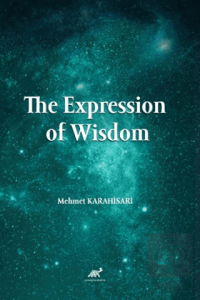


The founder of the Akbariyya order, Mu?yi al-Din Mu?ammad ibn Ali ibn al-Arabi, who left us numerous grandiose works, is undoubtedly still one of the most essential mystical thinkers in the Islamic world. Since Mehmet Karahisari is a member of the Islamic mystical Sufi order (tariqa) QadiriyyaAkbariyya with an orientation towards Uways, this book, written primarily for his students, points out the points that all Muslims in general should bear in mind. This book intends to allow English-speaking readers to learn about Sufism as interpreted by Ibn al-Arabi. However, its important to note that this book alone is not enough to practice the rules of Sufism. This book is a theoretical foundation for a Sufi seeker on the path to Allah. To truly grasp the spiritual journey, it is essential to seek the guidance of a teacher, known as a murshid or sheikh, who can lead the student (Sufi or murid) along the correct path and offer proper guidance.
The Akbariyya is the school or path established by Ibn al-Arabi. While it is mentioned in Sufi history sources, its current existence is seen as a distinct practice method. Although the Akbariyya tradition did not emerge as a separate Sufi order, it has its own path and approach. Different Sufi traditions are metaphorically described as doors; within these traditions, Akbariyya adheres to its own principles. In the Anatolian region, Akbari scholars have been taught within the Qadiriyya or Halvetiyya orders. This book explains the practices and principles of the Akbariyya path.
| Taksit Sayısı | Taksit tutarı | Genel Toplam |
|---|---|---|
| Tek Çekim | 252,30 | 252,30 |
| 2 | 131,20 | 262,39 |
| 3 | 90,83 | 272,48 |
| Taksit Sayısı | Taksit tutarı | Genel Toplam |
|---|---|---|
| Tek Çekim | 252,30 | 252,30 |
| 2 | 131,20 | 262,39 |
| 3 | 90,83 | 272,48 |
-
Yeni-%13
Stokta yok%13İNDİRİM1.600,00 1.392,00
-
%13İNDİRİM400,00 348,00
-
Yeni-%13
Stokta yok%13İNDİRİM300,00 261,00
-
Yeni-%13
Stokta yok%13İNDİRİM320,00 278,40
-
Yeni-%13
Stokta yok%13İNDİRİM450,00 391,50
-
Yeni-%13
Stokta yok%13İNDİRİM450,00 391,50
-
Yeni-%13
Stokta yok%13İNDİRİM290,00 252,30
-
-%13
Stokta yok
-
%13İNDİRİM500,00 435,00
-
%13İNDİRİM290,00 252,30